
Families and community leaders from Gokana and Bodo in Ogoniland, Rivers State, have intensified calls for the release of the remains of the “Ogoni Four”—four prominent chiefs brutally murdered 31 years ago—accusing the Movement for the Survival of the Ogoni People (MOSOP) of obstructing justice. The renewed agitation coincides with escalating federal government efforts to resume oil exploration in the long-dormant Ogoniland, raising alarms over potential ecological devastation in a region already scarred by decades of pollution.
Background on the Ogoni Four Tragedy
The Ogoni Four—Chief Edward Wiwa Kobani, Chief Albert Badey, Chief Theophilus Orage, and Chief Samuel Norgu Orage—were lynched on May 21, 1994, in Giokoo, Gokana Local Government Area, during heightened tensions over oil resource control. The mob violence, allegedly incited amid MOSOP’s campaigns against environmental degradation by oil firms like Shell, led to the dismemberment and disappearance of their bodies, leaving families without closure. This incident precipitated the arrest and execution of Ken Saro-Wiwa and eight other activists—the “Ogoni Nine”—on November 10, 1995, by the military regime of General Sani Abacha, on charges widely condemned as fabricated.
The unresolved fate of the Ogoni Four’s remains has festered as a symbol of intra-community divisions, with families burying empty caskets and enduring generational trauma. Memorial events on November 10, 2025, marking the 30th anniversary of the Ogoni Nine’s execution, amplified the demands, blending grief with accusations against MOSOP for failing to honor a 2001 agreement from the Justice Chukwudifu Oputa Panel on Truth and Reconciliation.
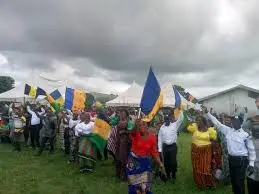
In Bodo City, over 200 mourners, clad in black and wielding placards reading “Release the Ogoni Four Remains Now” and “Justice Delayed is Justice Denied,” marched to the palace of the Pere of Bodo Kingdom and the homes of the victims’ families. Led by Dr. Chris Barigbon of the Bodo Unity Forum, the group decried MOSOP’s alleged role in the killings and its refusal to facilitate body recovery, as stipulated in Clause 3 of the Oputa Panel’s terms of reference (TOR). “We’ve shown enough humility and faith in the Ogoni cause; it is time for those who know where their remains are to bring them out so that we can have closure,” Barigbon stated.
Similarly, in Gokana, the Gokana Unity Forum and Council of Chiefs echoed the plea, resolving to escalate pressure on MOSOP and the federal government. Kenneth Kobani, son of Chief Edward Kobani, emphasized at a memorial service: “The time has come for the remains… to be recovered and returned to their families for dignified burial. This is the only path to lasting peace and justice.”
Link to Oil Exploration Resumption
The demands gain urgency against the backdrop of President Bola Tinubu’s administration pushing to revive oil drilling in Ogoniland, suspended since 1993 due to protests led by Saro-Wiwa. National Security Adviser Nuhu Ribadu, tasked with facilitating re-entry, has reported progress from consultations via the Ogoni Dialogue Committee, submitting a unified community report in September 2025 on modalities for safe resumption. Ribadu’s efforts, including a January 2025 presidential summit with Ogoni stakeholders, aim to boost Nigeria’s oil output amid economic strains, promising jobs, infrastructure, and revenue sharing.
However, civil society groups like the Ogoni Central Indigenous Authority (OCIA) and Environmental Rights Action/Friends of the Earth Nigeria vow resistance, labeling the move a “betrayal” without full environmental remediation under the UNEP-backed HYPREP program. Youth in Goi and other polluted communities express fears of renewed spills crippling fishing and farming, with one resident, Yigale, lamenting: “Our lands and water are polluted, no fish in the river… oil drilling brings back painful memories of 4,000 deaths.” Amnesty International, marking the Ogoni Nine’s anniversary, reiterated calls for their full exoneration—beyond the June 2025 pardon—tying it to broader justice for the Niger Delta.
Ogoni leaders like Dr. Leloonu Nwibubasa stress that resumption requires “concrete understanding” post-cleanup, political autonomy (e.g., Ogoniland as a border state), and adherence to international protocols. The Hydrocarbon Pollution Remediation Project remains incomplete, with no recent re-evaluation of progress.
Community Demands
The families and forums have issued targeted appeals:
- Immediate Body Recovery: MOSOP and relevant parties to locate and release the remains for burial, honoring the 2001 Oputa Panel agreement.
- Public Apology and Accountability: MOSOP to acknowledge its role and issue penance; judicial review of the 1994 killings and 1995 executions.
- Inclusive Oil Dialogue: Halt unilateral resumption plans; prioritize HYPREP completion, community benefits, and Ogoni Bill of Rights implementation.
- Memorialization: Public acknowledgment of both the Ogoni Four and Nine through memorials to foster healing.
Government and Stakeholder Response
The Rivers State Government and Federal Ministry of Niger Delta Affairs have not responded as of November 12, 2025. Governor Siminalayi Fubara, who participated in earlier dialogues, has pledged support for reconciliation but faces criticism for perceived exclusion of dissenting voices. MOSOP has denied incitement claims, focusing instead on Saro-Wiwa’s legacy. Internationally, Amnesty International urges Tinubu to exonerate the Ogoni Nine fully, warning that unresolved grievances could derail climate commitments at COP30.
Broader Implications for Niger Delta Justice
This resurgence highlights Ogoniland’s fragile peace, where historical wounds intersect with economic imperatives. Resuming oil without addressing the Ogoni Four’s fate risks reigniting militancy, echoing past shutdowns that cost Nigeria billions. Experts advocate transparent negotiations, robust ESIAs, and equity funds to transform extraction into sustainable development. As one youth leader noted: “We are more informed now—no oil company can exploit without developing Ogoni.”
The families’ ultimatum looms: without action, further protests could disrupt the fragile re-entry process, underscoring that true progress demands justice for all victims.
Voices from the Ground
- Suage Badey, Son of Chief Albert Badey: “There’s palpable tension in Ogoniland… We demand the bodies and penance for closure.”
- Bamene Tanem, Veteran Broadcaster: “The majority support resumption if safe and beneficial—but only after healing our divisions.”
- Esther Kiobel, Widow of Dr. Barinem Kiobel (Ogoni Nine): “They deserve full exoneration; 30 years is enough suffering.”


